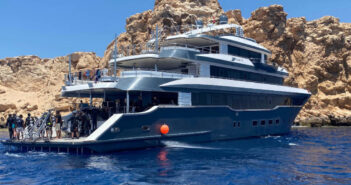
Legacy and Sea to Sky
Legacy, the luxury liveaboard in the Red Sea and our official partner for 2024 and…


Legacy, the luxury liveaboard in the Red Sea and our official partner for 2024 and…
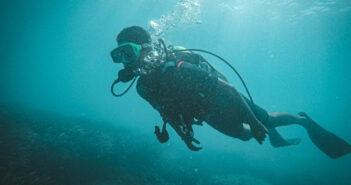
As devoted scuba enthusiasts, we are thrilled to unveil an array of exclusive liveaboard special…
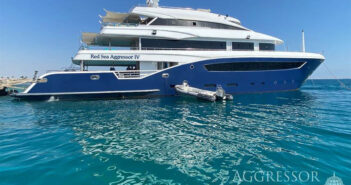
Prepare for an unforgettable diving expedition to St. Johns & Daedalus aboard the Red Sea…
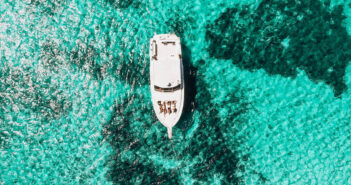
Looking to embark on an unforgettable underwater journey? We’ve handpicked some of the best liveaboard…
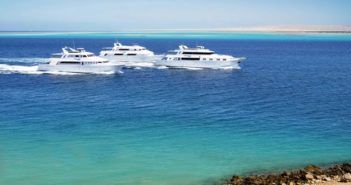
It has been anticipated for a while, but it is now looking like the Blue…

Sea To Sky are excited to announce some very special group trips this year, where,…
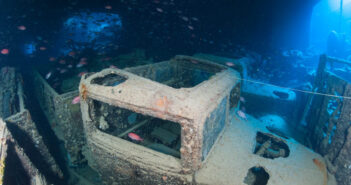
Wreck diving, a captivating niche within the realm of scuba diving, offers adventurers a unique…
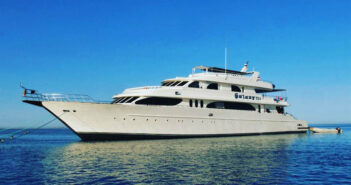
Prepare for an exhilarating journey through the North Classic route aboard the Galaxy 720. Departing…
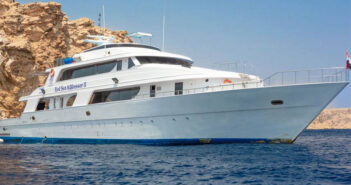
Prepare for an unparalleled diving experience through the Northern Red Sea’s best wreck sites aboard…
Set your sights on the mesmerizing depths of the Deep South Egypt aboard the Red…
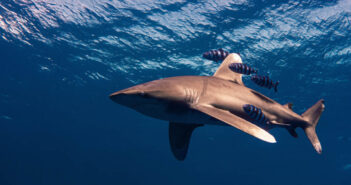
Egypt’s Red Sea is a diver’s paradise, renowned for its breathtaking coral reefs, vibrant marine…
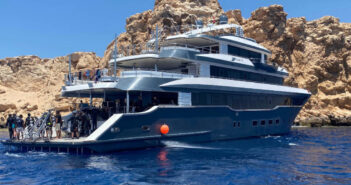
Step into a world where luxury meets adventure aboard Legacy, the epitome of opulence in…
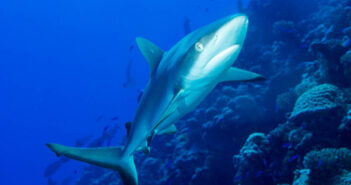
This week, our travel team has curated an exciting selection of special liveaboard deals from…
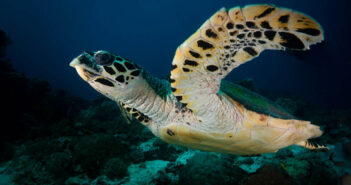
As spring blooms across the globe, avid scuba divers are gearing up for unforgettable underwater…

From 15th April 2024, Euro Divers will be leaving the NH Collection Maldives Havodda. According…

Dive enthusiasts, get your fins ready, because we’re about to unveil the ultimate bucket list…

Red Sea Diving Safari June 4th – 12th group trip. Limited spaces available Are you…
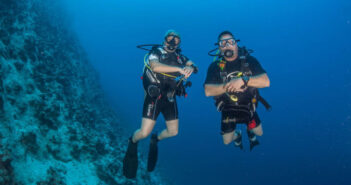
After three decades of exhilarating diving experiences and unforgettable encounters, Dive Point Red Sea, led…
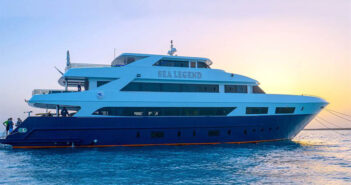
Following our report yesterday regarding the fire and sinking of Sea Legend in the Red…
We are receiving reports that Sea Legend, operated by Dive Pro Liveaboard, caught fire this…

Is Egypt part of your travel plans for 2024 and beyond, with scuba diving, Liveaboard…
Embark on an unparalleled diving adventure aboard the Red Sea Aggressor IV departing on July…
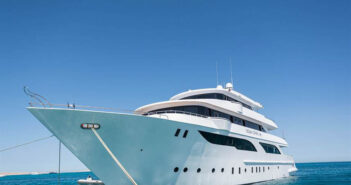
Embark on an extraordinary journey with Ocean Lovers departing on March 16, 2024! Dive into…
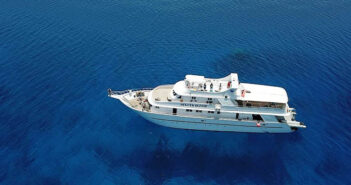
Embark on an unparalleled diving adventure with Heaven Saphir departing on March 21, 2024! Explore…
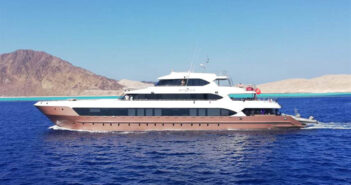
Don’t miss out on the adventure of a lifetime with Hammerhead II! Departing on March…
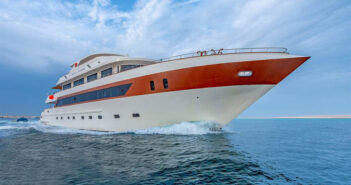
Embark on a thrilling underwater expedition with the Ghazala Explorer departing on March 4, 2024!…
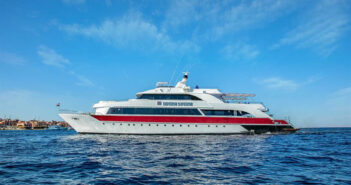
Embark on an extraordinary diving expedition aboard the Emperor Superior departing on April 5, 2024!…
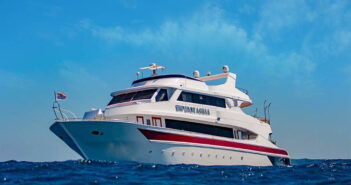
Join Emperor Asmaa for an unparalleled diving experience departing on April 12, 2024! Explore the…
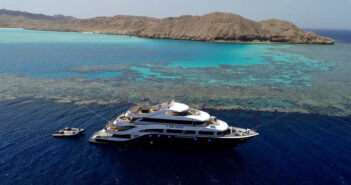
Dive into adventure with this unmissable offer, the All Star Scuba Scene! Embark on an…
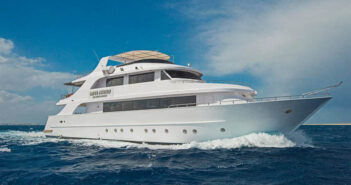
Embark on an exhilarating voyage of discovery with our exclusive offer, Discovery I! Departing on April…
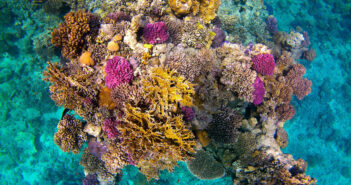
Welcome aboard to an unforgettable journey into the vibrant underwater world of Egypt’s Red Sea.…

Freediving, sailing, yoga, Red Sea… what a combination!! And combining all, what an experience. Even…
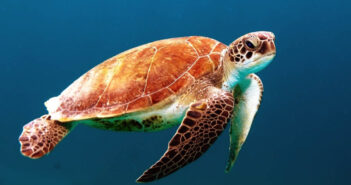
March marks an exciting time for scuba diving enthusiasts as the waters begin to warm…

Nestled along the pristine shores of Egypt’s Red Sea coast, El Gouna emerges as a…

Crafting a blog about Wadi Sabarah has been a challenging yet rewarding endeavour, as this…
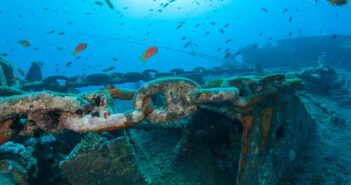
Egypt, a land steeped in history and mystique, offers not only the wonders of its…
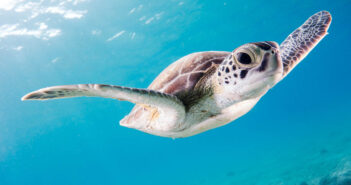
Embarking on a journey across the seas, discovering hidden treasures beneath the waves, and experiencing…
Sea to Sky is delighted to collaborate with Red Sea Diving Safari (RSDS), encompassing three…
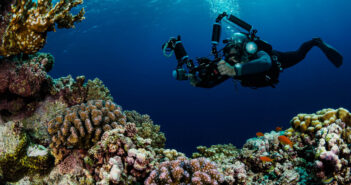
Alphamarine Photography are running an underwater photography workshop event at Red Sea Diving Safari’s Marsa…
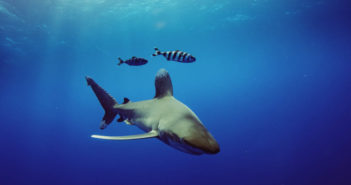
Escape to the enchanting Red Sea and explore the vibrant underwater world of Egypt with…
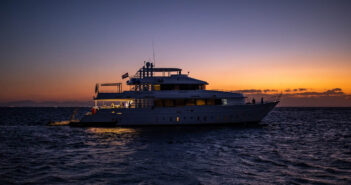
Are you ready to embark on an extraordinary underwater journey? We’ve handpicked some exclusive liveaboard…
Embark on an unforgettable underwater expedition as we unveil a series of exclusive liveaboard deals,…
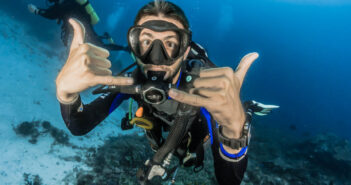
Embark on an aquatic odyssey with our exclusive liveaboard travel offers, unlocking the secrets of…

PADI® is thrilled to announce an exceptional duo of PADI AmbassaDivers™: award-winning Indian actress Sonakshi Sinha and her…
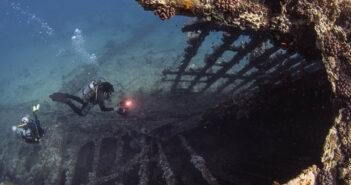
Departure Date: 13 Apr 2024 | Starting from: €1,011.00 Explore the wonders of the Northern…